Echo Ruin / Journal

Journal

Notes from production — step by step.

Echo Ruin has a home on the web

For a few weeks Echo Ruin lived in notes, sketches and a first prototype. Today it gets its own address: echoruin.pl. This is where we'll show how the game grows — from rough screens to the final version.

Here you'll find a description of the world, how the game plays and a gallery of concept art. Everything you see is still in motion: colours, the shapes of the ruins and the interface will change along with the game.

If you'd like to know when the game reaches the stores, leave your email on the contact page. We'll send one message — on launch day.
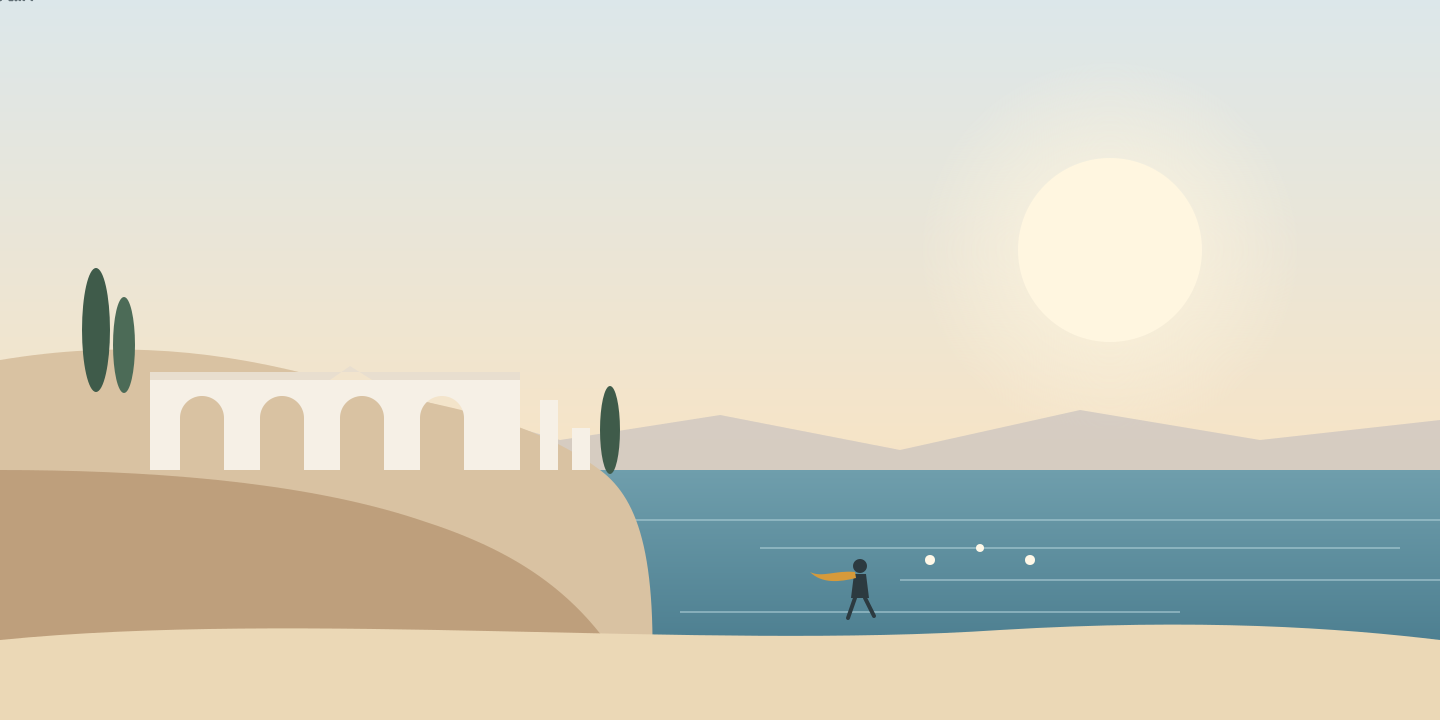
Header illustration: a coastline, white arcades and a running figure.

How we build an island that keeps changing

The core rule of Echo Ruin: no two runs should look the same. That's why the island isn't one hand-designed level but a set of short fragments — pieces of coastline, arcades, stairs and columns.

The game picks the next fragments on the fly, keeping difficulty rising gently and the landscape flowing smoothly: from the morning coast, through ruins in full sun, to dusk.

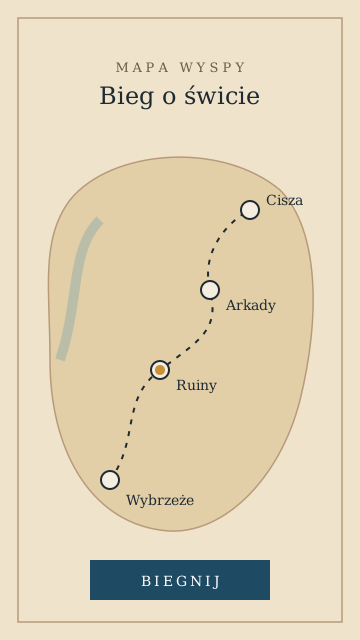
At the end of every run we show a map of the path you took. It's a small detail, but we love that players can look back and see their own, one-of-a-kind island.

Map screen after a run — concept art.

Where Echo Ruin came from

Most endless runners are fast, loud and full of flashing numbers. Echo Ruin goes the other way: warm light, the sound of the sea and simple controls you can master in seconds.

The inspiration came from Mediterranean coastlines, white stones warmed by the sun and sound bouncing off ruins. Hence the echoes — you collect them along the way, and they slowly reveal the island's story.

The game is designed for short sessions: one run on the bus, one before bed. No rush.

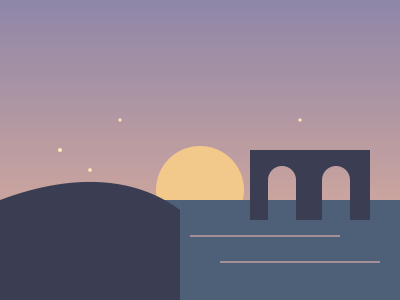
The Land of Silence at dusk — concept art.